The world’s top manufacturing executives no longer ask if they should invest in technology, but how to build a strategy that delivers measurable returns and stands up to global competition. This shift to a future-ready enterprise demands a complete operational and cultural overhaul. This overhaul is known as b2b digital transformation in manufacturing.
B2B digital transformation in manufacturing is the strategic integration of digital technology into all areas of a B2B factory or industrial company, fundamentally changing how it operates and delivers value to customers, often focusing on supply chain, product data, and sales channels.
For B2B companies, particularly those selling complex products, the future of competition hinges on digital mastery. The global e-commerce market is projected to reach $36.16 trillion by 2026. If your company’s product information is unclear or siloed, you risk disappearing from the digital shortlist before the conversation even begins. A strategic roadmap, moving past pilot projects and towards an integrated digital core, is essential for competitiveness by 2026 and beyond.
How Urgent is Your Need for a Future-Ready B2B Roadmap?
Manufacturing companies are collectively investing over $1.1 trillion a year in digital transformation solutions. However, many remain in the early stages of their digital journey. According to McKinsey research, only 16% of organizations have managed to both improve performance and sustain those changes after a digital transformation.
Challenges in Digital Transformation for B2B: Why Roadmaps Fail
Why do so many ambitious projects stall? The high failure rate—estimated by some studies to be over 80%—is rarely due to technology alone; it stems from a failure to integrate technology with strategy and leadership. For B2B manufacturers, a key obstacle is operational silos, which 54% of businesses report hurt the customer experience.
A critical challenge in digital transformation for B2B is misallocation of resources. Companies often dedicate 80% to 90% of their digital transformation budget to technology, neglecting essential organizational change management. Addressing these internal misalignments is the primary task of a modern Compliance Advisor and Digital Transformation Strategist.
Benefits of Digital Transformation in B2B Manufacturing: Quantifiable Returns
 When transformation is focused on value, the returns are substantial. The benefits of digital transformation in B2B manufacturing are demonstrated by the fact that 56% of B2B organizations’ revenue will come from digital channels by 2025 . Key quantifiable benefits include:
- Manufacturing Throughput: Leading manufacturers are seeing 10% to 30% increases from Industry 4.0 solutions.
- Downtime Reduction: 30% to 50% reductions in machine downtime due to predictive maintenance.
- Automation and Robotics: Increasing efficiency through automation and the use of industrial robots for repetitive and labor-intensive tasks, which enhances precision and productivity.
Digital transformation also leads to increased efficiency by streamlining B2B order processes and enhancing customer self-service capabilities.
These gains are achieved by leveraging a unified data foundation, which provides the real-time visibility necessary for operational control—a key effect of digital transformation on B2B operations. Analyzing data from IoT devices allows for predictive maintenance, better resource allocation, and demand forecasting, further enhancing operational efficiency. Manufacturers use historical data and data analysis to generate data driven insights for quality control, demand forecasting, and improved decision-making. The use of big data analytics in digital transformation provides manufacturers with actionable insights for better decision-making, helping to increase efficiency and reduce operational costs.
B2B Manufacturing Industry Trends: Shifting from Product to Service
The most impactful B2B manufacturing industry trends involve moving toward a “servitization” model—selling outcomes or services rather than just physical products. This B2B Industry 4.0 in manufacturing model is enabled by connecting IoT and AI to physical assets. Digital transformation enables manufacturers to respond more quickly and effectively to changing market demands, ensuring they remain competitive in a rapidly evolving landscape. This requires a fundamental shift in how product information is managed. Manufacturers must now utilize Product Data Orchestration Solutions to streamline the content lifecycle, ensuring all product data is accurate and ready for digital consumption, which leads to higher customer satisfaction by better meeting customer needs. A safe and technologically advanced manufacturing environment is essential to support these trends, enhancing operational efficiency and risk management.
Key Pillars of a Future-Ready B2B Digital Transformation Strategies
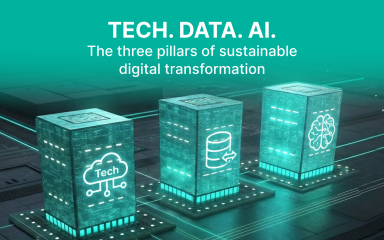
A robust roadmap for the b2b manufacturing digital future focuses on three core pillars: Product Data Mastery, Supply Chain Resilience, and Responsible AIGovernance.
Developing tailored digital strategies and marketing strategies is essential for any manufacturing business aiming to achieve measurable results and stay competitive in the evolving digital landscape.
Digital Innovation in Manufacturing: The Data-First Imperative
True digital innovation in manufacturing begins with data quality. For B2B firms, the complexity of technical data, certifications, and compliance documents makes a central system essential. This is why a Product Information Management (PIM) solution is critical. Managing customer data is also essential for personalizing marketing efforts and improving overall customer experience. Tools like Gepard PIM and data sources like Icecat Product Data help consolidate and enrich information. Digital tools further help optimize complex processes in manufacturing by providing better data visibility and control. A Product Data Architect must align this data with standards like the GS1 Standards, which define global business language and identification, ensuring digital catalogs are consistent and compliant.
B2B Digital Supply Chain in Manufacturing: Predictive Resilience
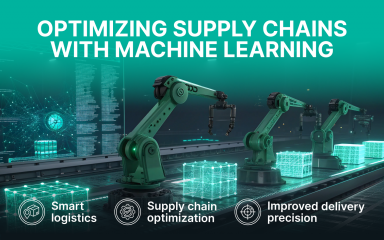
Resilience is paramount. The modern b2b digital supply chain in manufacturing must leverage AI and cloud platforms to predict and mitigate risks. Supply chain optimization uses sensors and analytics to improve inventory management and shipment tracking, enhancing efficiency and resilience. A major industrial company, Lehnkering (now part of the Evonik Logistics Network), demonstrated this by integrating advanced logistics platforms for chemical products, highlighting the power of logistics digital transformation ai to automate complex routing and inventory management. Cloud platforms provide centralized, real-time data access for better collaboration across the supply chain. In recent years, supply chains have faced significant challenges due to global disruptions such as pandemics, war, and climate change, making digital tools essential for maintaining resilience and stability.
This transformation requires leveraging the full potential of AI. Our services in AI implementation can provide the deep learning and predictive analytics necessary to optimize complex logistics networks, with supply chain management playing a key role in coordinating logistics, inventory, and suppliers.
B2B Smart Manufacturing Technologies: Cloud, AI, and Process Automation
The adoption of b2b smart manufacturing technologies provides the operational edge, made scalable through cloud computing in B2B manufacturing. The cloud provides the secure infrastructure necessary to run AI applications and manage massive amounts of IoT data. AI tools and machine learning are increasingly used for simulations, demand forecasting, and quality control, optimizing processes and reducing errors in smart manufacturing environments.
| Technology Focus | Primary Benefit | Entity/Standard Relevance |
| Cloud Computing | Scalable infrastructure for IoT and data lakes | ISO/IEC 27001:2022 (Information Security) |
| Predictive AI | 30% reduction in machine downtime | Rail Vision (AI-based predictive analytics case study) |
| $\text{PIM}$ Platforms | Product data centralization & standardization | GS1 Standards (Global Data Sync) |
| Process Automation | Error reduction and labor productivity gains | Manufacturing Process Automation (LSI Focus) |
Digital twin technology enables manufacturers to create virtual replicas of physical assets, allowing for simulation, real-time monitoring, and testing to improve efficiency and accelerate product development. Additive manufacturing supports rapid prototyping, the creation of complex parts, and reduces material waste, contributing to sustainability and cost reduction. Monitoring equipment performance through real-time data and predictive modeling helps improve operational efficiency and enables predictive maintenance.
The railway technology company Rail Vision is an innovator in this area, using AI-based systems for real-time detection and predictive maintenance on railway infrastructure (Rail Vision AI detection systems), a clear case study on B2B digital transformation in asset-heavy industries.
Responsible AI Governance: Compliance and Building Brand Trust
Compliance is a core component of brand trust. The EU AI Act, which categorizes AI systems based on risk, directly impacts manufacturers using AI for safety or quality control. These high-risk systems require mandatory conformity assessments.
In smart manufacturing environments, it is also crucial to protect intellectual property from cyber threats, as safeguarding sensitive data ensures operational continuity and reduces risk.
The Chief Data & AI Officer must deploy tools like Azure Responsible AI Dashboard and align the organization with frameworks such as the NIST AI Risk Management Framework and ISO/IEC 42001. This ensures that the use of digital tools for B2B manufacturing is ethical and compliant, maintaining customer faith in the b2b manufacturing digital platforms.
Executing the Roadmap: Tools, Teams, and the B2B Manufacturing Digital Future
The final stage of the roadmap ensures that the necessary digital tools for B2B manufacturing are adopted and the workforce is ready for the change.
Manufacturing Process Automation: Unlocking Operational ROI
Successful manufacturing process automation is critical. Companies that implement strong change management programs alongside new technology achieve 143% of their expected ROI, compared to just 35% for those with little change management. Automation should focus on eliminating bottlenecks throughout the value chain to improve operational efficiency in the b2b manufacturing digital future. Using digital tools such as digital twin technology and virtual prototyping can help identify bottlenecks in manufacturing processes, allowing companies to optimize workflows before making physical changes. Additionally, automation helps reduce operational costs while improving productivity, making businesses more competitive. However, a lack of a digital workforce hampers the implementation of digital transformation in manufacturing companies, highlighting the need for upskilling and training.
B2B Manufacturing Software Solutions: The Path to E-Commerce Dominance
The customer-facing transformation is driven by selecting the correct B2B manufacturing software solutions. With 80% of B2B sales interactions expected to take place through digital platforms by 2025, the e-commerce storefront is your main channel. In addition to the storefront, a customer portal consolidates data, manages customer relationships, and provides self-service capabilities throughout the customer lifecycle. This is where b2b manufacturing digital marketing efforts convert, helping accelerate prospects through the sales funnel and streamlining the sales process, including after-sales activities. Manufacturers can no longer rely solely on traditional marketing methods like trade shows and cold calling. Marketing automation tools now integrate with CRM and ERP systems to simplify complex sales cycles and enhance collaboration between marketing and sales teams. A strong digital marketing strategy also supports the sales team and sales teams by providing qualified leads and actionable insights, improving engagement and speeding up decision-making. For a proven strategy to optimize this channel, explore our guide: ECommerce For Manufacturers.
Building the Transformation Team: The Digital Transformation Strategist
Successful transformations are led by experts. The Digital Transformation Strategist must champion the cross-functional alignment that prevents transformation failure. This role is vital for defining the scope and managing the budget. The Multilingual Content Strategist is another key persona, ensuring standardized product data is localized for global B2B markets. In addition, industrial marketing plays a crucial role in helping manufacturers adapt to evolving buyer behavior, as innovative marketing strategies are needed to stay competitive in the changing manufacturing sector. This integrated approach minimizes the common pitfalls often cited in challenges in digital transformation for B2B. Manufacturers often rely on traditional marketing methods, which are insufficient to engage today’s digitally fluent buyers. The integration of technology in manufacturing transforms the workforce, requiring new skills and training for employees.
Measuring Success: Case Studies on B2B Digital Transformation and ROI
Measuring the effect of digital transformation on B2B manufacturing must move beyond vague concepts to concrete, repeatable metrics. Real-world case studies on B2B digital transformation often point to tangible improvements. Furthermore, companies that offer technology that supports employees are 230% more engaging for workers, a key indicator of internal success and talent retention.
Conclusion
Building a future-ready roadmap for b2b digital transformation in manufacturing by 2026 and beyond is an act of strategic risk management. It means prioritizing centralized product data, establishing a resilient and compliant AI-driven supply chain (b2b digital supply chain in manufacturing), and fundamentally rewiring the organization around the new B2B digital buyer. It is not just a mission to computerize the old procedures, but to design a profitable and sustainable and highly responsive business.
The process of the pilot project to a full-scale, integrated digital operation is multifaceted, and it needs specific skills in the selection of the platform, data management, and change management.
Ready to Engineer Your Future-Ready Enterprise?
Digital Transformation Consulting in B2B Manufacturing can help you define your ROI metrics, select the correct B2B platforms, and implement the governance frameworks necessary to unlock a verifiable competitive advantage.
Contact us today to schedule your strategic roadmap consultation.
Top FAQ Questions
- What is B2B in manufacturing?: B2B in manufacturing is the use of manufacturing companies that are known to produce goods, components, or raw materials mainly to sell them to other businesses, and not to sell the final products to individuals.
- What is the Industrial revolution of the digital manufacturing world?: It is the strategic and ongoing introduction of digital technologies, including IoT, AI, and cloud computing, to enhance the operations, product information, supply chain efficiency, and customer interaction.
- What are the four categories of digital transformation: These four main types are: Process (automation of operations), Business Model (new source of revenues such as Servitization), Domain (new markets) and Cultural/Organizational (people and structure).
- What is the reason 70 percent of digital transformation fails? Cases of high failure rate are connected to organizational reasons, such as improperly managed change, staff resistance, absence of C-suite backing and inability to shatter silos of data prior to adoption of new technology.